In Hinduism, donating to temples is seen as an act of Karma, creating positive energy and spiritual benefits
like purifying negative karma and fostering self-realization. While some Smriti texts suggest proportions,
many Hindus give based on faith and personal circumstances, with motivations ranging from fulfilling wishes
and expressing gratitude to contributing to the community's welfare. Specific donations like salt for clearing
blockages or matchboxes for lighting positivity are believed to have special cosmic benefits. In Vedic
traditions, dāna (donation) is a crucial virtue, requiring wealth earned ethically and given with devotion.
The spiritual ethics of donating to a temple emphasize selfless service, cultivating generosity, and fostering
spiritual growth through connection with the divine and community. Donations purify the donor's heart, reduce
materialism, and contribute to the maintenance of sacred spaces for worship and cultural preservation ensuring
they remain safe and accessible for future generations. Temple serves as the centre for spiritual learning and
cultural heritage, and donations help preserve these traditions for generations to come. Acts of giving are
seen as acts of love and faith, enabling a deeper connection to God and community well-being.
The efficacy of
dāna depends on the donor's mindset. There are four types of donations(Dana),
such as
(i) Nitya-Dāna: Regular, selfless donations without any expectation of reward.
(ii) Naimittika-Dāna: Donations given with devotion to atone for sins.
(iii) Kāmya-Dāna: Donations given with a specific desire, such as for wealth or progeny.
(iv) Vimala-Dāna: Donations made to a devotee of God for the pleasure of the deity.
However, the donations given with selfish intentions, like hoping for a reward or public prestige,
are considered Rajasic and less impactful than selfless giving, which is treated as Gupta Dana
(Hidden donation).
This temple receives various
donations from the devotees in cash and kinds through donation box, puja and receipt. Lord Jagannath
temple invites the doners to donate for development of the temple and support the ongoing Puja Achana of deities regularly,
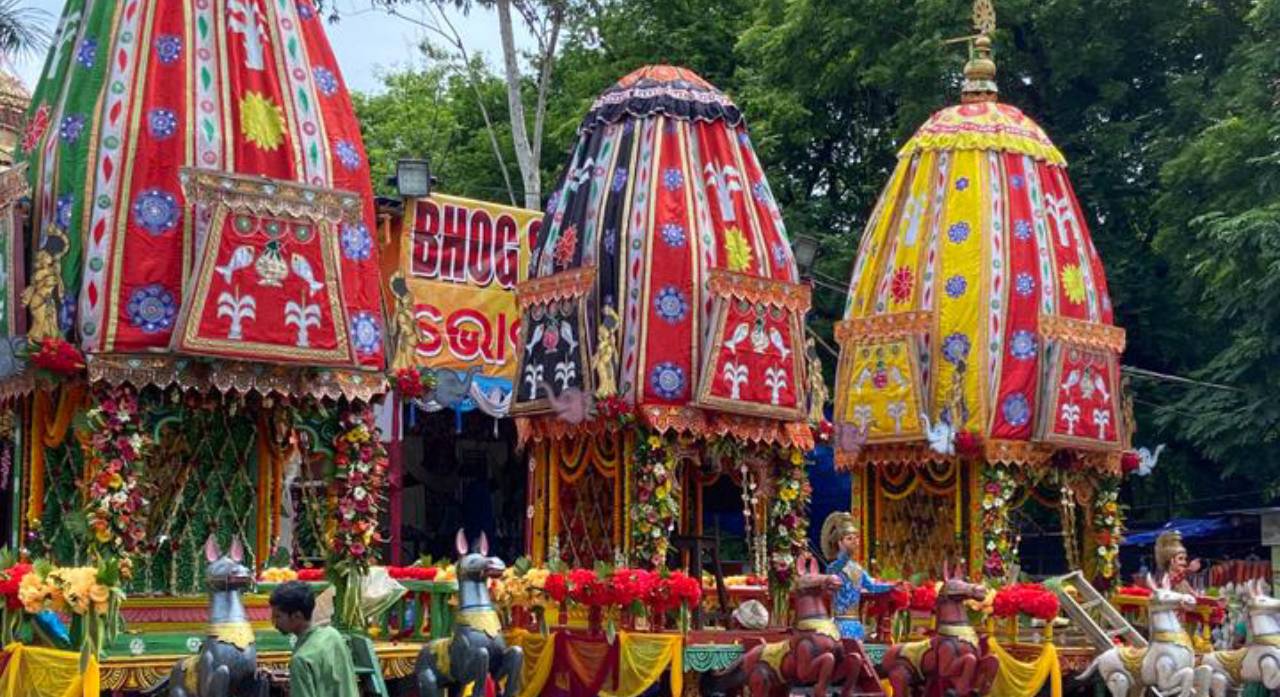
celebrating the Rath Yatra, Rass Purnima,Pratistha Utsav, and other festivals of the Lords. Several devotees
of the temple have come forward to support the Dainik Niti-Kanti Seva of the Lords by subscribing
Rs.1000/-(one thousand rupees) per annum. Generous donations, particularly for temple construction,
are believed to erase sins from past lives and lead to eternal spiritual worlds, according to texts
like the Skanda Purana.
There are so many facilities available for better convenience of the doner if he/she so desires to donate.
One may donate either through a Cheque or Demand Draft (DD) or NEFT. The Cheque or
Demand Draft may be drawn in favour of Sri Dainik Niti-Kanti Seva, Sri Jagannath Temple, Kharagpur or Electronic tranfer from
Bank A/C details
A/C – Dainik Niti Seva, Sri Jagannath Temple, Kharagpur
A/C No – 031210011014764
Bank – Andhra Bank, Malancha Road, Kharagpur
Branch Code – 0312, IFSC code – ANDB 0000312