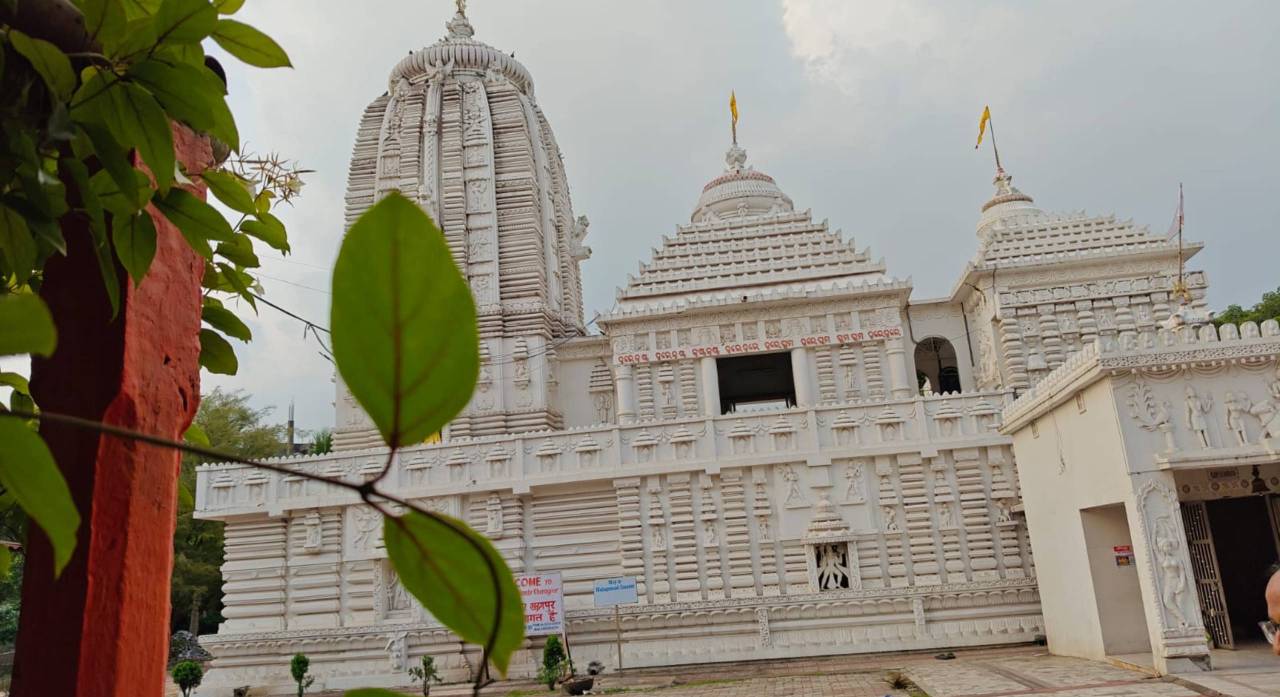
Kharagpur is located in the southwest of West Bengal, in the Paschim (West) Medinipur district of India. The city lies on a latitude of 22° 02' 30" and a longitude of 87° 11' 0". It is situated just south of the Kasai River, about 70 miles west-southwest of Kolkata. Kharagpur Railway Workshop established
in 1898 is now the largest maintenance workshop in Indian Railway and the railway platform at Kharagpur Junction
having a length of 1,072.5 meters, was one of the world's longest railway platforms, but now ranked as fourth globally, surpassed by platforms at Hubballi Junction, Gorakhpur, and Kollam Junction.
Kharagpur is called "Mini India" because it is a melting pot of people from diverse linguistic and cultural backgrounds,
reflecting the diversity of India itself. This phenomenon is largely due to migration for railway jobspre- and post-independence,
which brought communities from various parts of India. The city is having a population from various regions of India.
The land of the Kharagpur town is mostly appertaining to Indian Railways.
There are different linguistic educational institutions, various Hindu temples of different deities,
the Masque, and the Church situated on the Railway Land.The diverse cultural fabric is evident in
how various festivals from different parts of India are celebrated with enthusiasm in Kharagpur.
The Railway Employees belongs to different states are privileged by the Railway to get the education in their
regional languages. Railway runs the Bengali, Hindi, Odiya, and English medium schools. For the beneficiary
of the Railway employees, Railway has also allotted various lands to build up the regional schools, which is
governed by the State of West Bengal Education Board, Kolkata for imparting better education to the employees’
wards and children. For Odiya minor linguistic community, Utkal Vidyapith at Kharagpur is established on the
Railway Land in the year 1950.
In the year 1984, some Odiya railway officials decided to build a Jagannath Temple at Kharagpur and conducted a
meeting in the Utkal Vidyapith. They formed an organisation named Sri Jagannath Temple Committee, which was registered
vide Registration No- SO 045132 of 1984 under the West Bengal Societies Registration Act, 1961. The then Divisional Railway
Manager, S.S.Narayan accompanied with other dignitary railway officials of the temple committee identified a place at New
Settlement area of Kharagpur town whereupon the present Sri Jagannath Temple and organization still exist.
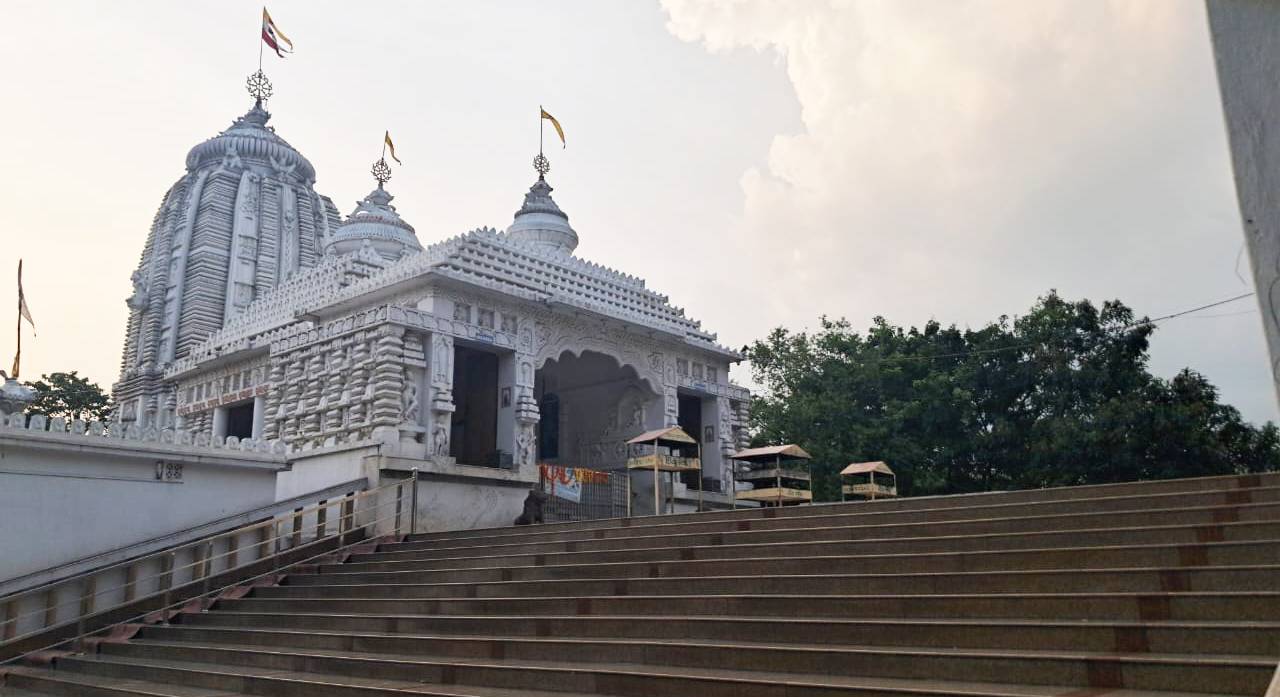
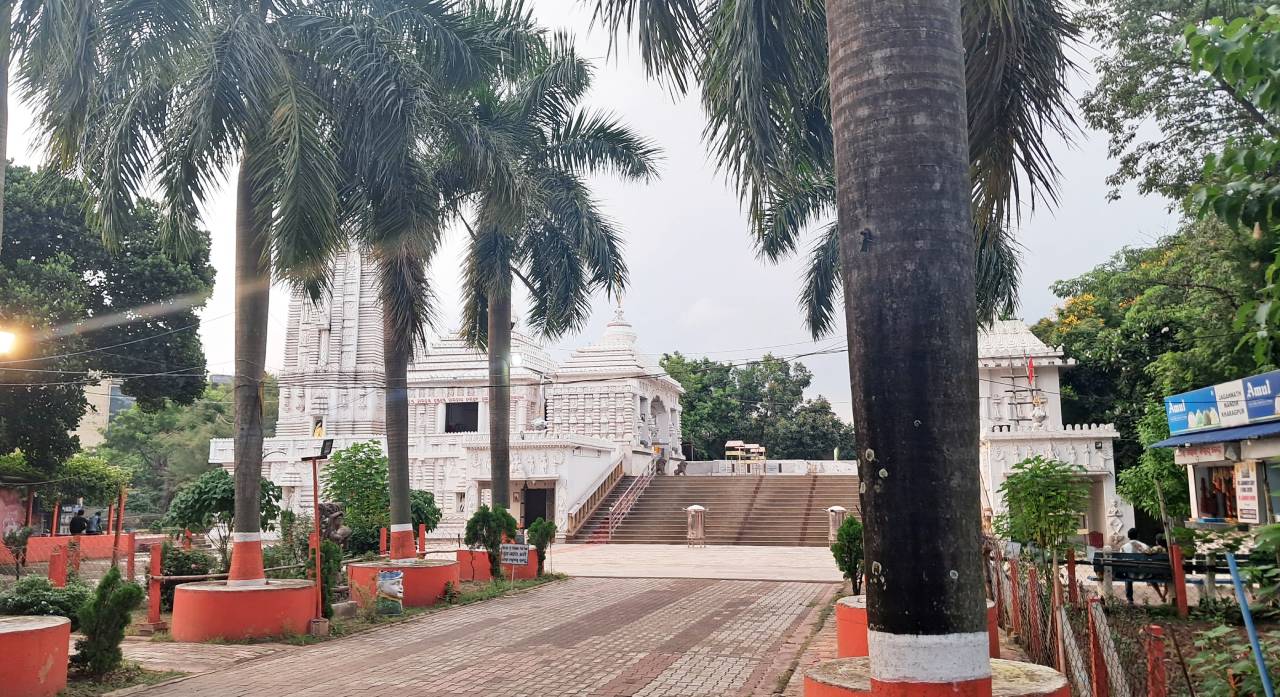
The then committee felt necessary to add some social cultural activities into the organization and thus, they changed
the name of organization from Sri Jagannath Temple Committee to Sri Jagannath Sanskrutik Kendra, which was also
approved by the Registrar of West Bengal Societies in the year 1988.
The organisation approached the Railway Board for regularisation of the said railway land in their favour.
A lot of correspondence was made between the organisation and railway authorities.The railway policy of
regularization of railway land to private organization was discontinued from 1982 and was also restricted
to only the beneficiary to the Railway.Since the Railway employees had made the aforesaid organization
and the committee members are exclusively Railway Employees, the organization thereby adopted a resolution
to changethe name of organization from Sri Jagannath Sanskrutik Kendra to Railway Employees Cultural Association
in the year 1989, which was subsequently approved by the Registrar of West Bengal Societies in the year 1989.
The then Divisional Railway Manager was pleased to process the railway land for regularization in the name of the Railway Employees Association in the year 1992. The Railway Employees Cultural Association decided to construct a Sri Jagannath Temple over the railway land in the year 1990 and laid the foundation on the auspicious occasion of Akshay Tritiya in the year 1992. The Association formed a Sub-Committee named Sri Jagannath Construction Committee to look after the constructional works of the temple. The architectural construction of the temple was designed by Raghu Nath Mohapatra of Odisha. The technical assistance was supported by the Professors and Engineers of Indian Institute of Technology (IIT), Kharagpur. All stone carving effigy of Parswa Dev (Barah Bhagwan, Nrusinha Bhagwan and Baman Bhagwan) and Garud Maharaj ji were brought from Soro of Balasore.All deities made of brass were brought from Khali Sahi of Nayagarh, Odisha.
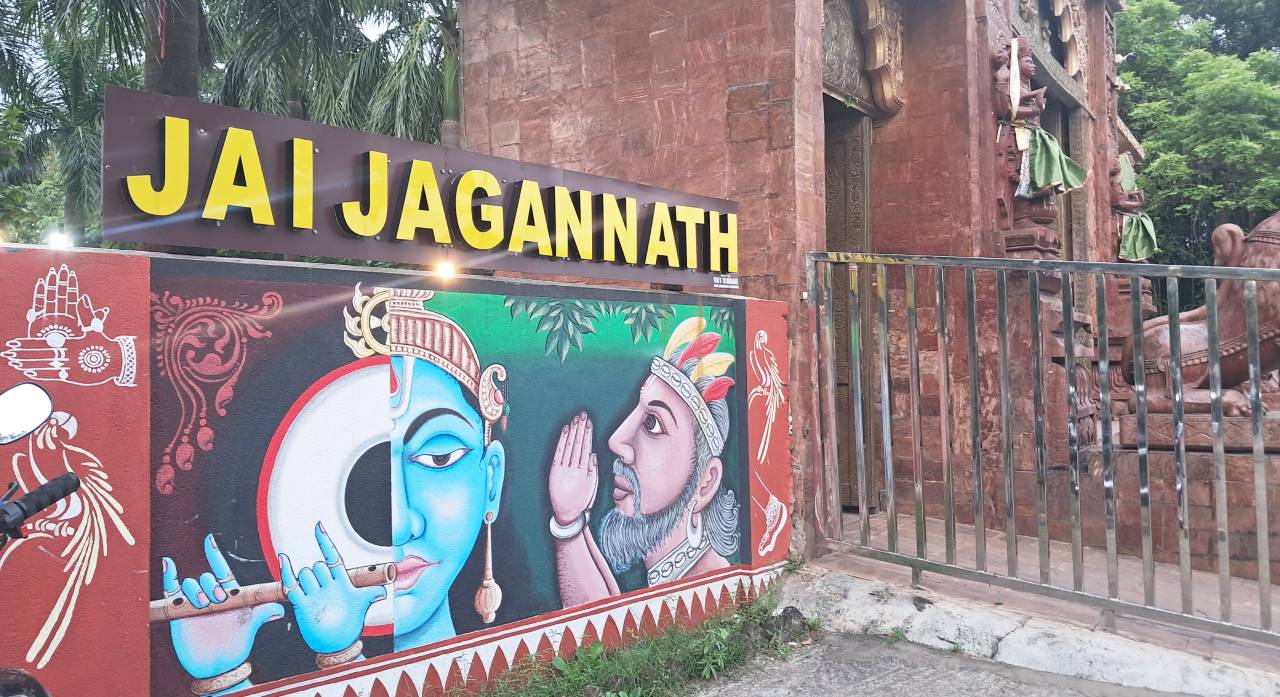
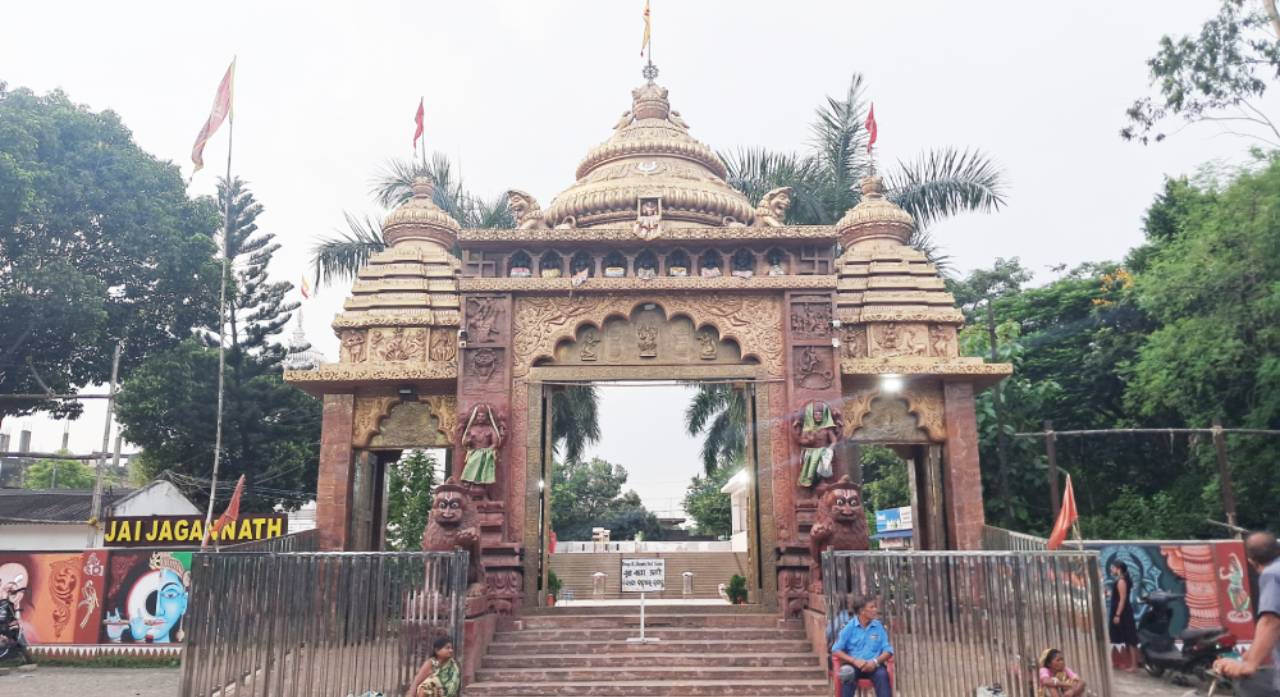
The Laxmi and Bimala Mata, which are constructed from marble stones are brought from
Rajasthan. Kanchi Ganesh Jee was brought from Mahabalipuram of Tamil Nadu.
The people of Kharagpur town and its outskirt
extended their financial support for construction of the temple. The temple was inaugurated by the Gajapati Maharaj
Dibya Singh Dev of Puri on 22.02.2002 and all Pandits of Puri performed the religious rituals of temple at the time
of Pratistha Utsav.
To organize the temple and its smooth management, the Sub-Committees named Sri Jagannath Temple Committee, Sri Jagannath Rath Yatra Committee and Rass Purnima Committee are formed time to time.
The ornamental architectural design of the temple bewitches all the spectators of Kharagpur Town and it has now become a tourist spot to attract the visitors, who never miss a chance to visit this temple, when they are in Kharagpur town. The people of this cosmopolitan town of Kharagpur are happy to be part of spreading universal religion & universal message of Lord Shri Jagannath.The temple is open to all sects of devotees and visitors irrespective of caste, creed, religion, and languages.